


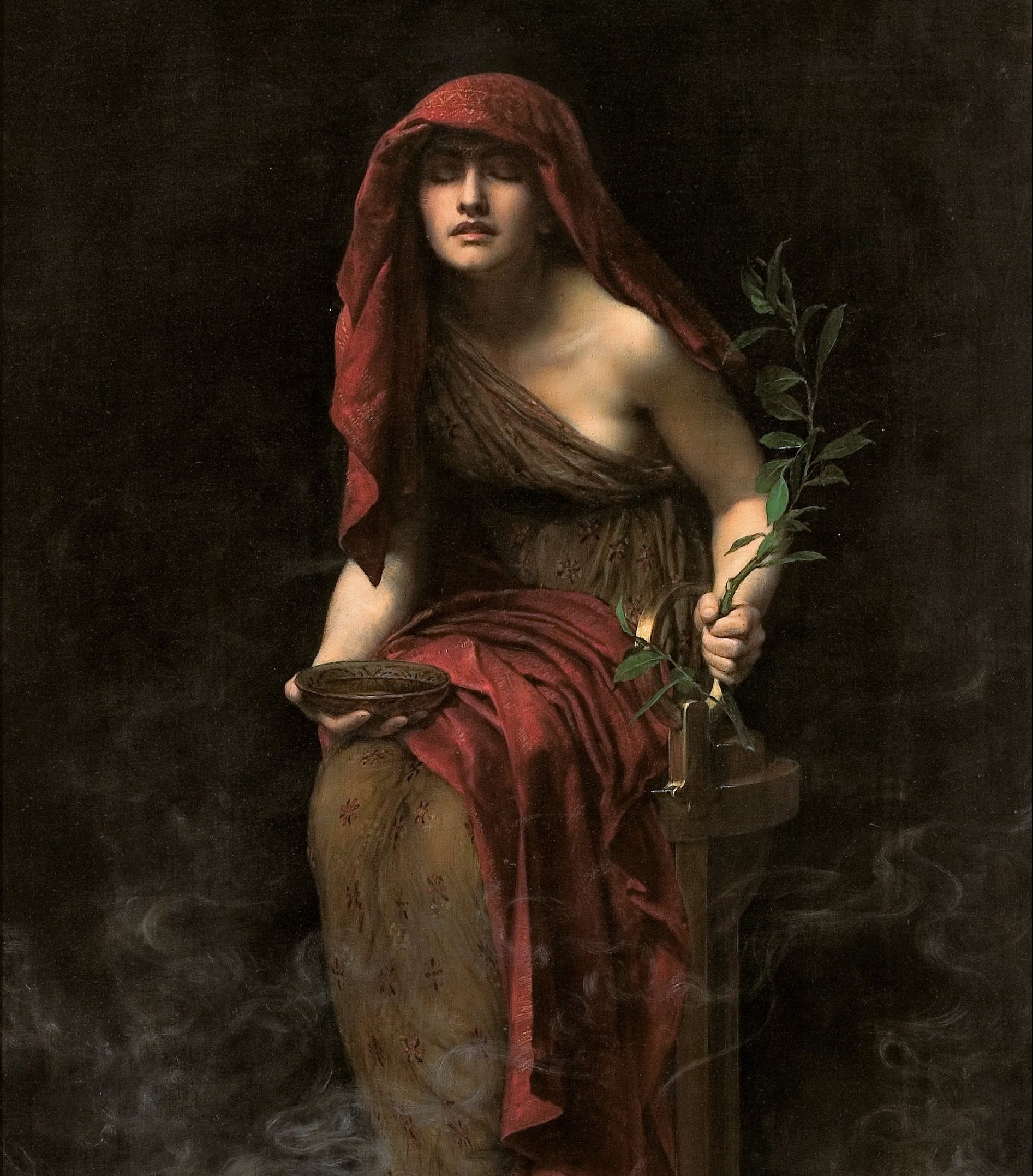
My great grandfather was a rabbi with a large synagogue in Iran, and in his community he was known as a miracle maker, a manifester. People came to him with the things you do not bring to just anyone: illness, barrenness, despair. And somehow, things moved.
On the day he died, he stood in front of his congregation and announced that he would die that afternoon. He said the angels were calling him home. Then he went home, lay down on the carpet in the living room, and died with a smile on his face, surrounded by his family. My grandmother was among them, still a young girl at the time.
Thanks for reading! Subscribe for free to receive new posts and support my work.
The next day she could not stop crying. That night he came to her in a vision. He told her there was a candy he had left for her in his jacket pocket. Go find it, he said. Eat it, and you will not feel sad again. She went. She found it. She ate it. And exactly as he said, the sadness lifted.
My grandmother grew up to be a healer herself.
I spent most of my life a little embarrassed by all of this. It felt like the kind of story you do not bring up at dinner parties, the kind of sensitivity that reads more like a liability than an inheritance. I tried for years to out logic it, to explain it away, to be anywhere else. But I keep coming back to the same question: is this thing I have spent my life trying to avoid actually an unavoidable birthright?
We keep killing our oracles.
I cannot stop thinking about this. History is not on the right side when it comes to elevating and celebrating the witches among us. This idea has followed me for weeks now, through my dreams, my healing work, my thoughts. Across centuries, we have systematically eliminated the people who held keys to consciousness: the seers, the healers, the oracles.
Trauma can be inherited in biological and psychological ways, and centuries of persecution of women healers and witches may help explain why so many people still feel unsafe publicly claiming healing power. Intuition is not a glitch in the genome. It is a deep pattern sensing capacity woven from our nervous system, our emotional history, and the memories of those who came before us. It took me a long time to understand my ancestry and to recognize that this capacity was a thread protected and treasured in a branch of my family in Iran, and carried into me from birth.
How do we kill our oracles?
Not always with fire. Not always with force. Today it looks more like suspicion, a raised eyebrow, quiet mocking, subtle diminishment.
The pattern holds across centuries. The people most attuned to the subtle, the shift in a room, the tremor before a collapse, the truth nobody wants named, are often the first ones a culture learns to doubt.
Priestesses. Midwives. Healers. The Delphi oracles.
The oracle at Delphi spoke for roughly eleven hundred years before the Christian emperor Theodosius shut it down. Legend says her final prophecy was that god had gone silent, that the water that once spoke had run dry, and there was nothing left to say. Within five years, the emperor who silenced her was dead. Within twenty, Rome itself had fallen.
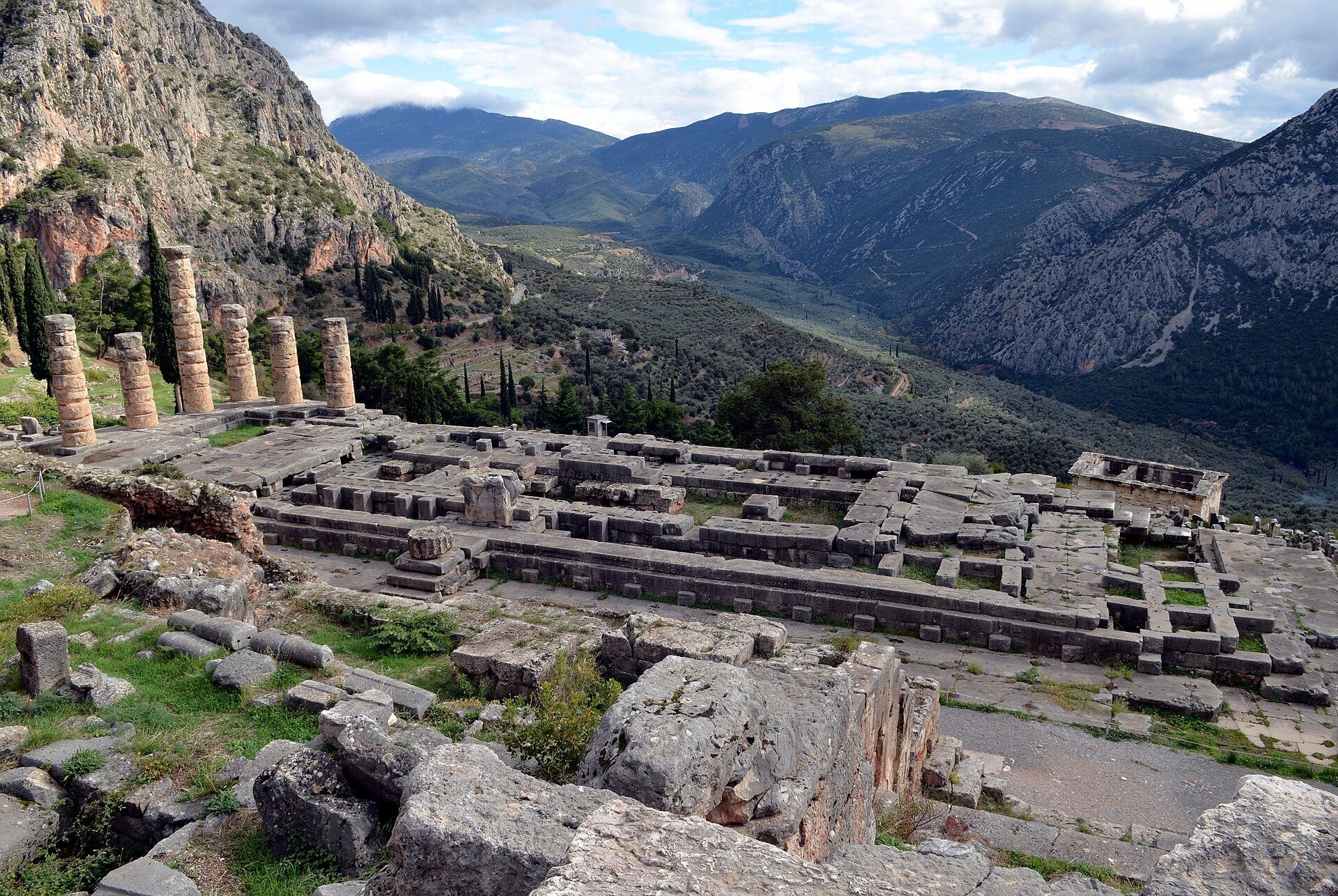
The tragedy of Delphi is that communities often dismantle their own sources of wisdom when those voices challenge power, convention, or certainty. Today we do the same when we ignore intuition, silence elders, dismiss unconventional insight, or reduce wisdom to only what is measurable and marketable.
Between the fifteenth and eighteenth centuries, European witch trials prosecuted tens of thousands of people and executed tens of thousands more. Most were women. Many were healers, midwives, herbalists, or simply socially strange. The Inquisition ran for centuries, investigated well over one hundred thousand people, and executed thousands, building an entire bureaucracy around tracking belief and punishing deviation.
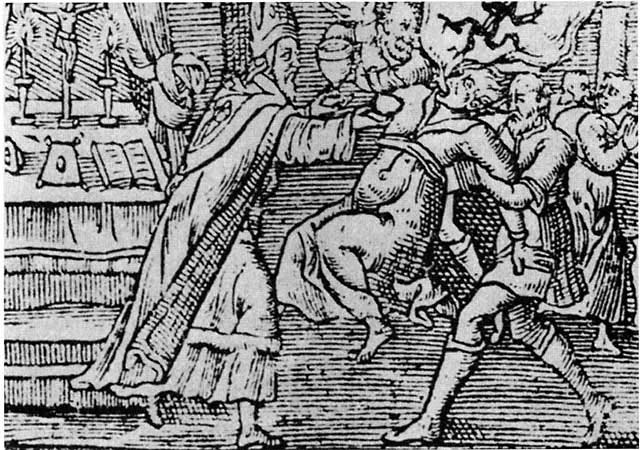
The numbers matter, not only for the deaths but for what they reveal: entire systems constructed to make certain ways of knowing unthinkable or illegal. What we lost was not magic in the cinematic sense. It was perception.
Generations of people whose embodied knowledge of birth, death, plants, and grief sat outside official doctrine were treated as threats because of it. Witchcraft became the name for anything that did not submit. No institution ever called itself the department of suppressing intuition. They called themselves guardians of faith, unity, truth, even God. In the name of the divine, they destroyed the people who held pathways to direct experience of it, leaving behind systems that require intermediaries to access what was once immediate.
That pattern is not only past tense.
Today, plant medicines used for generations in Indigenous and syncretic traditions are often classified alongside the most dangerous drugs on earth, even though they are among the most powerful tools for direct connection to source. Many practitioners live one encounter away from being treated not as guides, but as suspects.
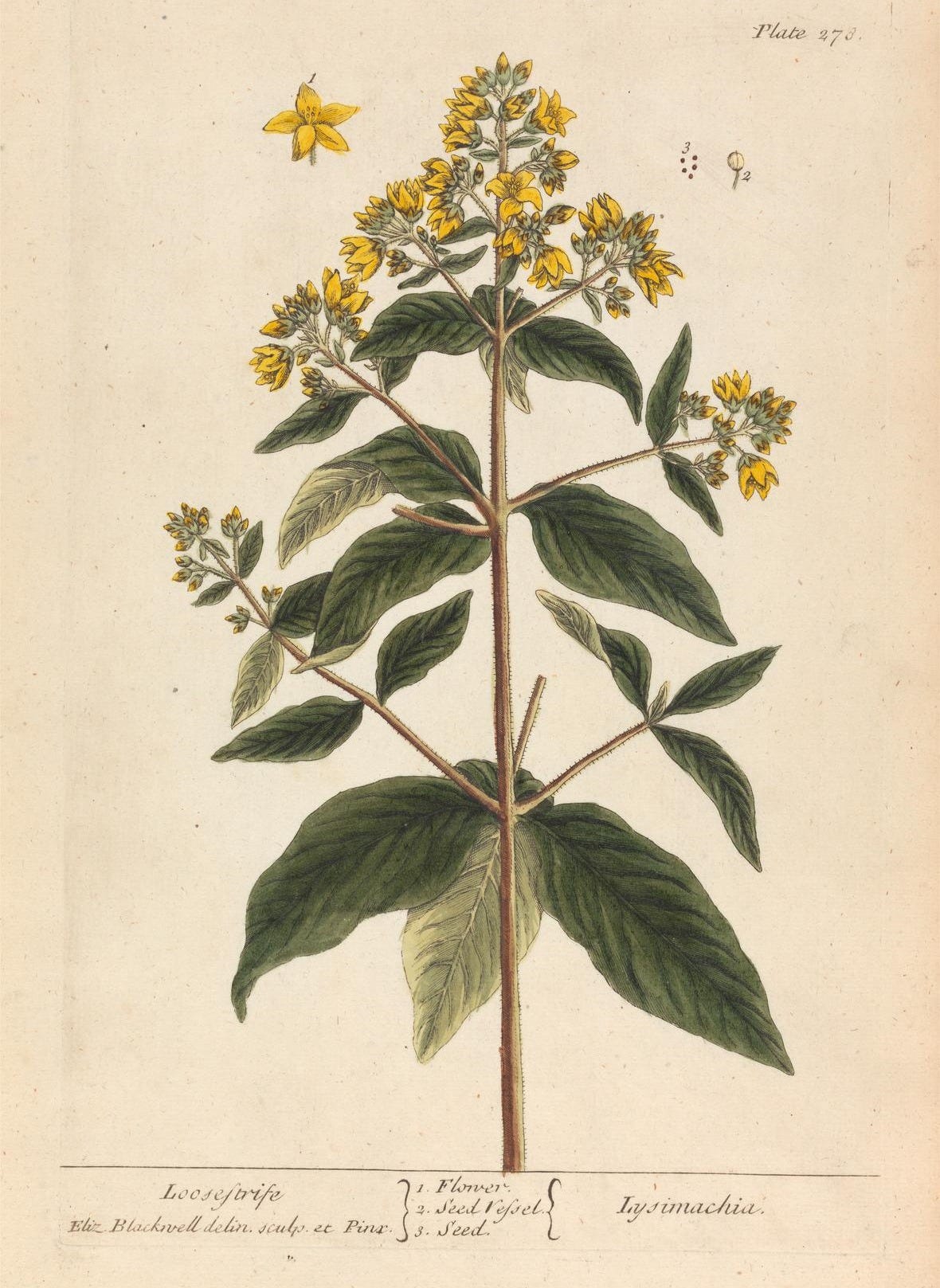
Some people simply register more. They process more deeply. They notice what others filter out: emotion, pattern, contradiction, the quiet tension beneath something that appears fine. Call it sensitivity. Call it a wider aperture of awareness. It is variation, scattered through families and communities like seeds. When a culture punishes the people who carry it, that culture is not refining truth. It is shutting down one of its own senses.
Now we are building machines that are extraordinary at everything that can be formalized: language, logic, scale, optimization. They can detect patterns across vast oceans of data faster than any council of elders ever could. But they will never feel unease walking to their car at night. They cannot feel consequence. They cannot sit in the tension of a decision that helps one thing and harms another. They cannot hear the quiet no beneath a polite yes. They cannot be changed by what they witness. They do not have a stake in reality.
We do. That is more or less the job description of being human right now: making sure everyone is on the ark before the tide of digital intelligence floods everything around us.
This is where the software update comes in.
We are not going to slow artificial intelligence down, and I do not think we should. But intelligence without consciousness is just speed. If we scale one without the other, we build systems with no ballast, all acceleration and no depth. The witches, the oracles, the plant medicine carriers are not relics of folklore. They are the counterweight. They are the update the operating system requires before we move any further. They are the part of us that can feel what machines can only calculate.
Older cultures understood this. Leaders consulted oracles, diviners, and visionaries before making irreversible decisions. Not because the oracle was always right, but because the act of consulting her created a pause. A moment of reflection. A space where something beyond strategy could enter the room. At Delphi, kings crossed mountains to sit with a woman in trance before sending armies to war.
Power without reflection is not safe, especially for the people who hold it.
We have lost that pause.
Our largest systems in finance, technology, and politics now operate primarily on what can be measured, not what can be felt. That is not just a technology problem. It is a consciousness problem. As these systems build levels of efficiency we can barely comprehend, we must restore the healer and the intuitive voice to the center of society. Our humanity depends on our ability to evolve consciousness fast enough to meet the tools we are creating, to interpret data while also knowing how to feel, how to sense, how to wake up.
For centuries, we have suppressed deep sensitivity, relational intelligence, embodied knowing. If you live close to that signal, if you feel what others miss, if you notice before there is proof, there is nothing fringe about what you carry. History is clear on this. People like you have always existed, and cultures have oscillated between seeking your counsel and silencing your voice, between asking what you see and asking you, gently, to stop seeing it.
This is the update I keep returning to. As artificial intelligence advances, we do not only need more powerful systems. We need the witches, the oracles, and the plant medicine carriers walking alongside them, doing the slower work of evolving human consciousness at the same pace as technology. Without that balance, we risk becoming a civilization that is brilliant and numb at the same time.
My great grandfather did not leave behind an algorithm. He left a candy in a jacket pocket, and a granddaughter who knew, through a dream, exactly where to find it. That kind of knowing does not scale like a model. It does not need to. It only needs to be welcomed back into the room.
Because in an age where intelligence is scaling faster than consciousness, losing the humans who can feel the difference is a risk we cannot afford.
Somewhere today, someone is about to say that something feels off about a decision no dashboard has flagged. Maybe this time, we let them finish the sentence.